Most Oahu volcano tours pack 40+ people onto a bus — this one limits the group to 14, flies you directly to Kona, and lets a guide who knows the island personally (ask about uncle Jim) show you Kīlauea, the Thurston Lava Tube, Punalu’u Black Sand Beach, and the Kona coffee belt in a single 12-hour day. Roundtrip interisland airfare and all ground transport are included — you just get to the airport.
About This Tour
Full-Day Itinerary
Why This Tour Stands Out
The most obvious difference is the group size. Most Big Island day trips from Oahu run 30–50 people on a full coach. This tour caps at 14, which means a van instead of a bus, a guide who can actually talk to you, and stops that don’t feel like a theme park queue. The TripAdvisor reviews specifically mention uncle Jim accommodating bathroom breaks and extra photo stops that a larger bus tour simply can’t do.
The Kona route also sets this tour apart. Most Oahu day trips fly to Hilo on the wet east side — this one lands you in Kona on the sunny leeward coast, which means the Kona coffee belt, the sweet bread bakery, and the south-coast black sand beach are all on the way to the volcano park. You see more of the island.
If you want to add a helicopter perspective on top of the ground tour, the Big Island Volcano Adventure with Helicopter is a separate tour that includes a 45-minute flight over the lava fields — a different experience at a higher price point.
What a Big Island Day Trip from Oahu Looks Like
Small Group, Big Island, One Day
Max 14 people · Roundtrip flights included · Kīlauea + Lava Tube + Black Sand Beach · $590
See Dates & Prices →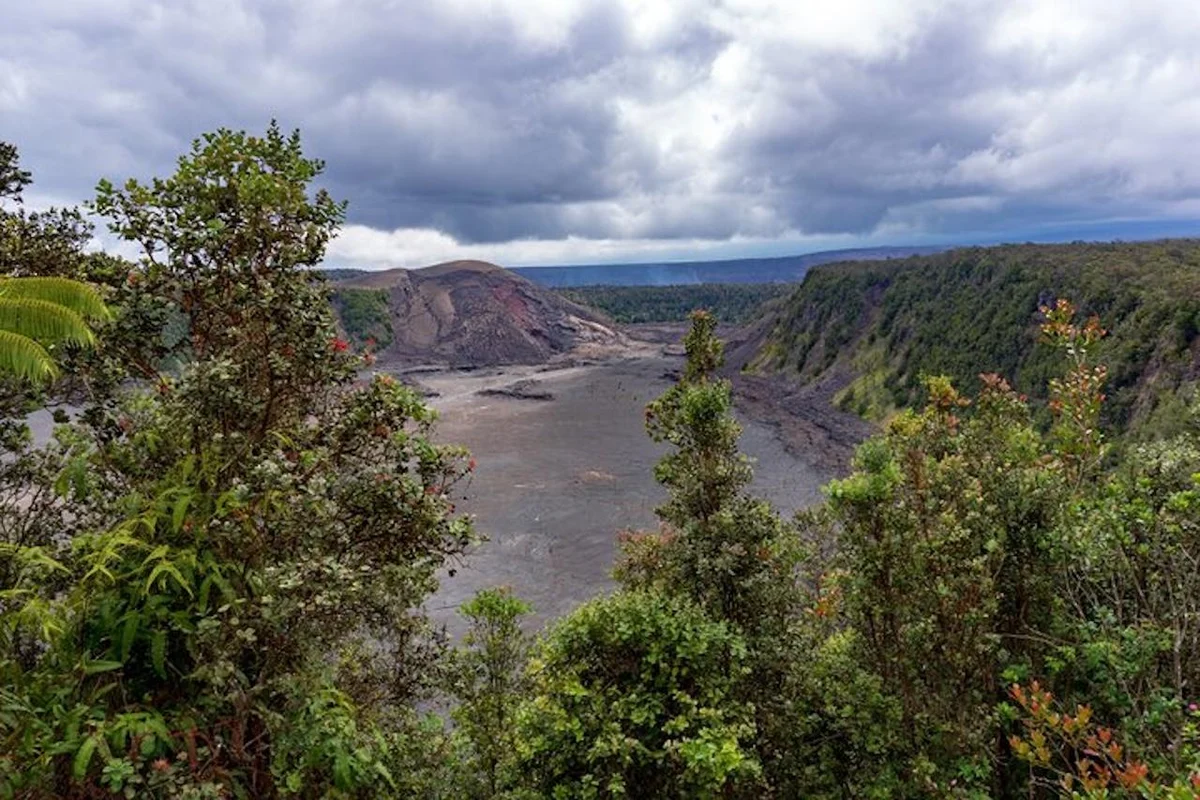
What You’ll See at Hawaiʻi Volcanoes National Park
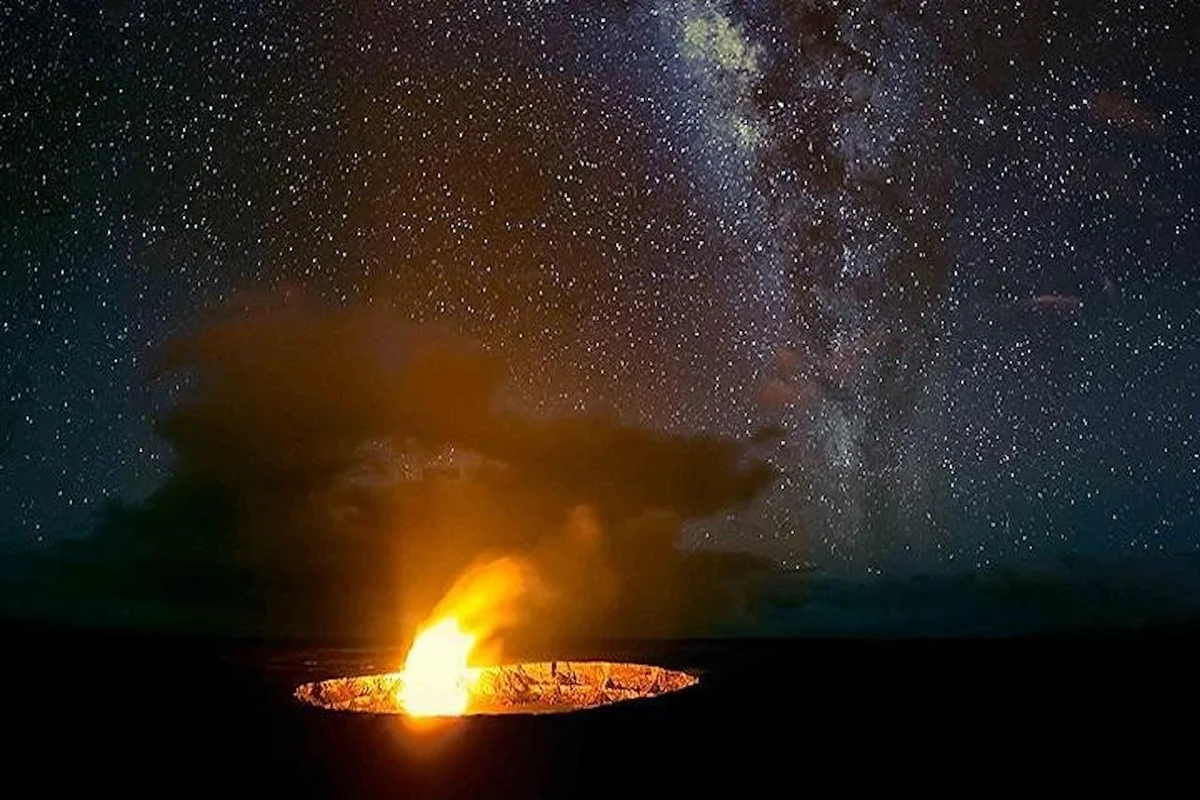
Hawaiʻi Volcanoes National Park covers 335,000 acres and contains two of the world’s most active volcanoes — Kīlauea and Mauna Loa, which erupted for the first time in 38 years in late 2022. The park’s highlight is Halemaʻumaʻu Crater, a pit inside Kīlauea Caldera that has erupted multiple times in recent years. On active eruption days, the glow is visible from miles away. On quiet days, steam and sulfur dioxide rise from the vents.
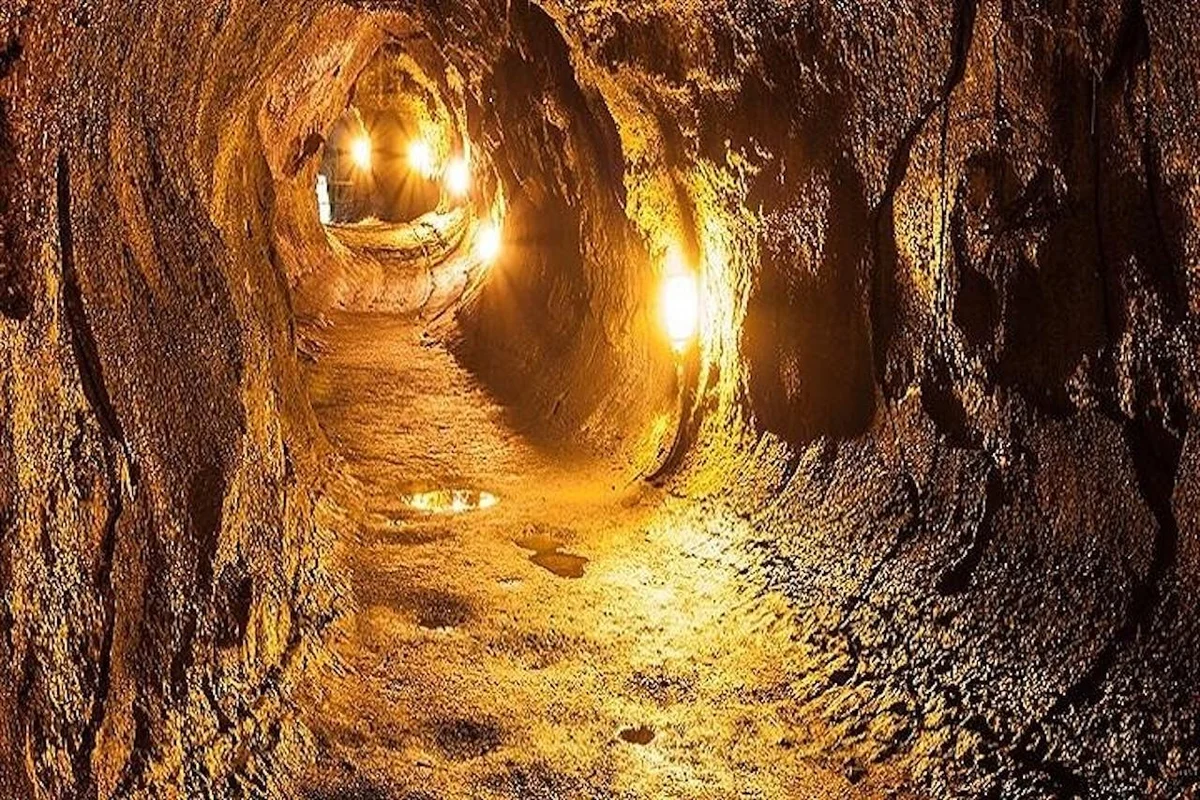
Inside the park, the Thurston Lava Tube (Nāhuku) is the most tactile stop: a natural underground tunnel formed when the outer layer of a lava flow cooled and hardened while molten rock continued flowing inside. When the flow stopped, it left a hollow tube behind. Walking through it gives you a physical sense of what lava actually does — not abstract geology, but a tunnel you can touch.
For context on how Kīlauea fits into the broader volcanic story of Hawaii, this guide to volcano tours from Waikiki covers all the ways to see an active volcano from Oahu.
Best Time to Visit Hawaiʻi Volcanoes National Park
Bottom line: Spring and fall give you Kona sunshine without peak summer crowds. The volcano is worth visiting in any season — Kīlauea’s activity follows its own schedule, not the calendar.
What Travelers Say
Physical Requirements: Who This Tour Is For
- Adults and teens in normal health
- Anyone comfortable with 12+ hours of travel and walking
- Coffee, food, and culture enthusiasts (the Kona stops are genuinely fun)
- People who want small-group experience instead of a bus tour
- First-time visitors to Hawaiʻi Volcanoes National Park
- Pregnant women
- People with back problems
- People with heart conditions
- Wheelchair users (volcanic terrain is uneven)
- People with respiratory issues (active steam vents and volcanic gases)
- Young children (full 12-hour day, mostly outdoors)
Important Information Before You Book
- 🪪 ID for TSA: Bring valid ID — you must clear TSA security at Honolulu Airport before the flight
- 🚫 No sandals: Sandals and flip-flops are not permitted — wear closed-toe comfortable shoes
- 🚌 Transport to HNL: Your own transport to Honolulu Airport is not included; arrange in advance
- 🍱 Meals not included: No meals provided — bring snacks and cash for the bakery and lunch stops
- 🚫 No food in vehicle: Food and coolers are not allowed in the tour van
- ♨️ Volcanic gases: Vog (volcanic smog) and SO₂ are present near the crater — those with respiratory issues should consult a doctor
- 👟 Closed-toe shoes: Required — sandals and flip-flops are explicitly not allowed
- 🧥 Light jacket: HVNP sits at 4,000 ft — noticeably cooler than Kona coast, especially with wind
- 💧 Water: Bring 1.5–2L — limited water sources inside the park
- 🧴 Sunscreen: Kona coast and open lava fields have intense UV exposure
- 💵 Cash: For the sweet bread bakery, coffee tastings, and any personal snacks
- 📷 Camera: Crater rim, lava tube entrance, and Punalu’u beach are all incredibly photogenic
Tips for Getting the Most from This Tour
What frequent Big Island visitors wish they’d known:
- Get to HNL early. You’re clearing TSA for a domestic flight — give yourself 90 minutes minimum, especially during busy seasons.
- Bring layers, not just a t-shirt. Kona is 80°F and sunny. Hawaiʻi Volcanoes National Park is at 4,000 ft, often foggy and 15–20°F cooler. You’ll want a layer for the park.
- Ask uncle Jim about Hawaiian legends. The one review that exists specifically calls out his stories and cultural knowledge. Ask him about Pele — you’ll get a much richer experience than just reading the park signs.
- Eat at the sweet bread bakery. Punalu’u Bake Shop is a genuine local institution, not a tourist trap. The bread is extraordinary and it’s your last food stop before the volcano park.
- Check USGS before your trip. The USGS Hawaiian Volcano Observatory publishes daily eruption updates. Knowing whether Kīlauea is erupting before you go sets expectations and excitement levels correctly.
- Don’t rush the lava tube. Nāhuku is short but you should walk slowly. The fern-covered entrance, the hollow sound, the cold air — it’s all part of it. Most people are through in 5 minutes; take 15.
- Bring cash. The bakery, coffee farm tastings, and souvenir shops around Kona don’t always accept cards reliably. $40–60 in cash covers everything comfortably.
- Watch for honu at the beach. Hawaiian green sea turtles are federally protected — stay 10 feet away. They regularly come ashore at Punalu’u. Give them space and you’ll get much better photos than people who crowd them.
How to Book
Reserve your spot with the “Reserve Now, Pay Later” option — no charge today, free cancellation up to 24 hours before. The small group size (14 max) means this sells out faster than big-bus alternatives. Check current dates and availability here.
Getting There: Hawaiʻi Volcanoes National Park
Frequently Asked Questions
Do I need to get to Honolulu Airport myself?
Yes — the tour includes roundtrip airfare from Honolulu to Kona, but you’re responsible for getting to and from Daniel K. Inouye International Airport in Honolulu. Plan to arrive 90 minutes before your flight departure for TSA clearance.
What’s the difference between this tour and the helicopter tour?
This tour (t784419) goes via Kona, includes the Kona coffee belt and Punalu’u Bakery, caps at 14 people, and costs $590. The helicopter tour (t75263) flies to Hilo, includes a 45-minute helicopter over the lava fields, costs $810, and runs for 15.5 hours. Both include HVNP and the Thurston Lava Tube.
Is Kīlauea erupting?
Kīlauea erupts intermittently. The tour runs regardless of eruption status — you’ll see Halemaʻumaʻu Crater, Steam Vents, and the lava tube on any day. For current eruption status, check the USGS Hawaiian Volcano Observatory website before your trip.
Why is the group limited to 14 people?
Aloha Sunshine Tours uses a van rather than a large coach. This makes the experience much more personal — the guide can actually answer questions, accommodate extra photo stops, and adjust the pace for your group. Multiple reviews specifically mention this as a highlight.
Is food included?
No meals are included. You’ll stop at the Punalu’u Sweet Bread Bakery (bring cash for snacks and bread). There’s a picnic area at the park. Bring your own snacks and 1.5–2L of water for the day.
Can I wear sandals?
No — sandals and flip-flops are explicitly not permitted on this tour. The lava rock terrain at HVNP and the steam vent area require proper closed-toe shoes. Hiking shoes or sturdy sneakers are ideal.
Who is uncle Jim?
The sole GYG review and multiple TripAdvisor reviews specifically name uncle Jim as the guide — praising his knowledge of Hawaiian legends, volcanic geology, local culture, and his genuine aloha spirit. Reviews describe him as ‘an absolute star’ and ‘super knowledgeable about Hawaiian culture.’ He’s the reason this tour gets 5-star reviews.
What if it’s foggy at the volcano park?
HVNP sits at 4,000 feet and gets fog, especially in the afternoon. Morning visits tend to have better visibility. If active lava is erupting, the glow is visible through fog at night — but this tour is daytime only. The lava tube, steam vents, and crater rim are worth visiting in any weather.
Check Live Availability & Prices
Real-time dates — book directly, free cancellation up to 24 hours before.